Introduction
A well-designed home reflects the personality and lifestyle of its residents while promoting comfort, functionality, and beauty. Interior design has evolved beyond simple decoration, integrating concepts from art, architecture, and psychology to create harmonious living environments. Homeowners increasingly seek guidance to optimize their spaces efficiently. By focusing on strategic planning, material selection, and aesthetic principles, interior design can enhance both the practical and emotional value of a home.
Understanding the Principles of Interior Design
Effective interior design relies on core principles such as balance, proportion, rhythm, emphasis, and harmony. Balance ensures visual stability by distributing visual weight across a space. Proportion relates to the size and scale of furniture and décor relative to the room. Rhythm is achieved through repetition and patterns that guide the eye, while emphasis highlights focal points like a statement wall or artwork. Harmony unites all elements to create a cohesive and inviting atmosphere. Understanding these principles enables homeowners and designers to create spaces that are both functional and aesthetically pleasing.
Planning and Space Optimization
The foundation of a successful interior design project is thorough planning. Understanding the purpose of each room and the lifestyle of its occupants helps define priorities. Space optimization involves arranging furniture, storage, and pathways efficiently to improve flow and usability. Designers often use sketches, 3D models, or digital tools to visualize layouts before implementation. Proper planning ensures that rooms meet practical needs while maintaining elegance and comfort.
Color Schemes and Material Selection
Choosing the right colors and materials is crucial in interior design. Colors influence mood, perception of space, and overall ambiance. Neutral tones can create a sense of calm and openness, while bold colors add energy and personality. Material selection affects texture, durability, and functionality. Wood, metal, glass, and textiles can be combined thoughtfully to achieve balance and sophistication. Careful consideration of materials and colors ensures that interiors are visually appealing and comfortable for daily living.
Furniture and Functional Design
Furniture selection plays a key role in both aesthetics and functionality. Pieces should complement the style of the home while offering comfort and practicality. Modular furniture, multifunctional units, and ergonomic designs enhance usability, particularly in smaller spaces. Designers emphasize the importance of scale, placement, and proportion to create harmonious arrangements that feel spacious and inviting. Integrating functional furniture with aesthetic considerations ensures a balance between beauty and practicality.
Lighting and Ambiance
Lighting significantly impacts the atmosphere of a home. Natural light enhances brightness and energy, while artificial lighting can create warmth, focus, or drama. Layering light through ambient, task, and accent sources allows homeowners to adjust the mood and functionality of each room. Proper lighting also highlights architectural features, artwork, and decorative elements, elevating the overall design. Attention to lighting ensures that spaces are both functional and visually engaging at all times of the day.
Incorporating Personal Style
A home should reflect the personality and tastes of its inhabitants. Incorporating personal style can involve art, collectibles, photographs, or custom furnishings. Designers often work closely with homeowners to blend personal interior design house preferences with contemporary design principles. This integration ensures that spaces are not only beautiful but also meaningful and comfortable for daily life.
Sustainability in Interior Design
Modern interior design increasingly emphasizes sustainable practices. Eco-friendly materials, energy-efficient lighting, and responsible sourcing contribute to environmentally conscious homes. Incorporating sustainability also improves indoor air quality and reduces long-term costs. Homeowners and designers are recognizing that sustainable choices can coexist with stylish and functional interiors, making environmentally responsible design an integral part of modern living.
Technology Integration
Smart homes and technological integration have become important in contemporary interior design. Automated lighting, climate control, security systems, and entertainment setups enhance convenience, efficiency, and safety. Designers consider technology as part of the aesthetic and functional plan, ensuring that devices blend seamlessly with the overall décor. Thoughtful integration of technology improves daily living while maintaining design integrity.
Creating Functional Zones
Interior design often involves creating distinct functional zones within a home. Open-plan layouts can be divided using furniture, lighting, or color to establish areas for work, relaxation, dining, and entertainment. Clearly defined zones enhance usability, organization, and comfort. Functional zoning allows homeowners to enjoy multiple activities within a cohesive and harmonious environment, making efficient use of available space.
See also: Enhance Your Remote Productivity with the Best Home Office Desk Furniture
The Role of Textures and Accessories
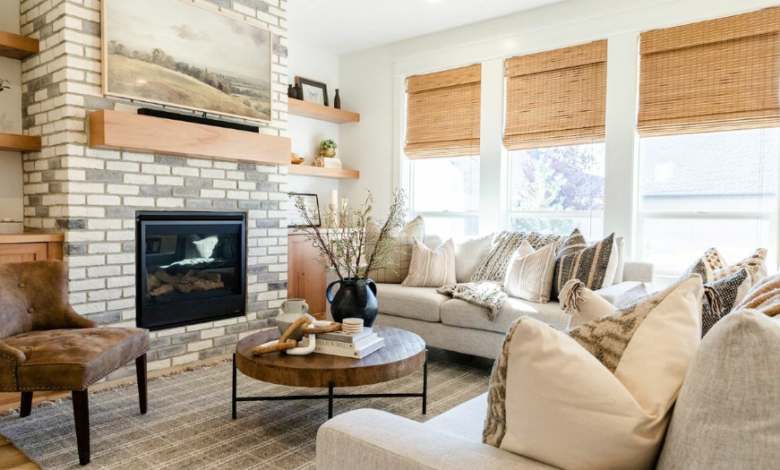
Textures and accessories bring depth and personality to interiors. Combining materials like wood, metal, stone, and fabrics adds dimension and tactile appeal. Accessories such as rugs, cushions, artwork, and decorative objects complete the design by adding color, pattern, and individuality. Thoughtful layering of textures and accessories enhances the visual interest and comfort of a home, making spaces feel curated and lived-in.
Conclusion
Designing a home involves more than arranging furniture; it is about creating an environment that is functional, comfortable, and aesthetically pleasing. By understanding principles of interior design, optimizing space, selecting appropriate materials, and integrating personal style, homeowners can transform their houses into harmonious living spaces. Incorporating sustainable practices, technology, and thoughtful details ensures that interiors are modern, practical, and beautiful. Ultimately, effective interior design elevates both the daily experience and long-term value of a home, making every space meaningful and inviting.