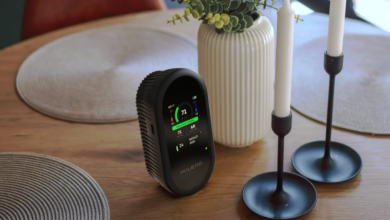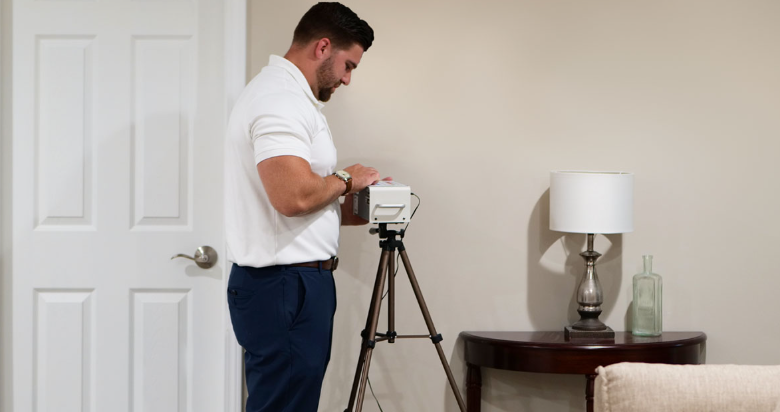
For many homebuyers and sellers in Ottawa, radon is an invisible but very real concern. As awareness of radon — its health risks, prevalence in the region, and mitigation options — grows, the role of real estate professionals in handling radon testing Ottawa and disclosure becomes increasingly important.
But how exactly do realtors in Ottawa address radon? What are their responsibilities? When is testing done — and by whom? This article walks you through the typical workflow, current best practices, common pitfalls, and how you (as homeowner or buyer) can navigate radon concerns when buying or selling a home.
Why Radon Matters for Realtors and Homebuyers in Ottawa
Radon Risk Is High — And Localized
- The geology and soil composition around Ottawa make many houses potentially vulnerable to radon infiltration.
- Radon is a colourless, odorless, invisible radioactive gas. Long-term exposure is a serious health hazard, and the only way to know whether radon is present in dangerous levels is testing.
- Because radon levels vary house by house — even in the same street or neighbourhood — neither age nor location of the home guarantees safety.
For realtors, this means radon cannot be ignored or assumed “safe.” It’s a legitimate concern that merits transparent handling when marketing or buying/selling a property.
National Guidance for Realtors
In Canada, leading organizations recommend that real estate professionals educate clients about radon, encourage testing, and if necessary, support mitigation or disclosure.
However — and this is important — there is currently no federal law requiring radon testing or mandatory disclosure in most provinces, including in Ontario.
That means the approach often depends on the realtor, client, and whether the homeowner voluntarily tests or mitigates prior to listing.
See also: Enhance Your Remote Productivity with the Best Home Office Desk Furniture
Typical Realtor Approaches to Radon in Ottawa Transactions
Because there’s no fixed legal mandate for radon testing/disclosure, realtors in Ottawa handle radon in a variety of ways. Below are the most common:
1. Encourage Pre-Sale Long-Term Testing (Seller-Initiated)
Some proactive sellers — particularly those aware of radon risk — choose to conduct a long-term test (minimum 91 days) before listing. Realtors often encourage this because it:
- Provides evidence the home has acceptable radon levels (or has been mitigated)
- Prevents radon from becoming a negotiation barrier later
- Allows radon level to be listed as a “selling feature,” giving buyers confidence that the home is safe
This approach aligns with guidance from national realtor organizations: test before selling when possible.
2. Include Radon Disclosure / Provide Results to Buyers
If a long-term test is done, sellers / their realtors may supply the test report to potential buyers. This transparency helps build trust and often smooths the sale process — especially for health- or safety-conscious buyers. Some realtors even include test kits or radon-education materials in home-buyer packages.
3. Use “Hold-Back” or Contingency Clauses for Radon Testing Post-Sale
Because a long-term 90+ day radon test isn’t always practical during a real estate transaction (due to time constraints), some realtors negotiate a hold-back fund or contingency clause:
- Buyer and seller agree that after closing (or immediately), a long-term radon test will be conducted.
- If levels come back high, funds from the hold-back can be used to do mitigation.
- This approach balances the need for a quick sale with radon safety.
4. Suggest Short-Term / Screening Tests During Sale, Followed by Long-Term After Move-In
Because of time pressure, some realtors offer a compromise:
- A short-term radon screening test (e.g., 4–7 days) during the sale process — to give a rough indication of whether radon might be a problem.
- Then, once buyers move in, recommend a proper long-term (91+ day) test as per national guidelines.
This method provides some peace-of-mind without delaying the sale — though it isn’t a guarantee. Certified radon professionals note that short-term tests should always be followed up with long-term tests to properly assess yearly exposure.
5. Negotiate Mitigation Before or After Sale
If a test reveals elevated radon levels (above guideline), some sellers choose to install a radon mitigation system before listing the house to avoid deals falling through. Others agree with buyers to address mitigation post-sale — especially when a contingency clause or hold-back is in place.
Why Some Realtors and Sellers Don’t Test (or Delay Testing)
Despite recommendations, many Ottawa real estate transactions still occur with no radon testing. Key reasons include:
- No legal requirement, so radon is treated like “optional” maintenance
- Testing takes time — a reliable long-term test needs 3 months under “closed-house conditions,” which doesn’t always align with sale schedules.
- Some homeowners fear that high radon results will hurt resale value or complicate negotiations
- Lack of awareness among some sellers or buyers about radon risk
Because of this variability, radon levels in many houses remain unknown — which leaves health risks unaddressed and reduces transparency in the market.
Best Practices for Realtors Handling Radon in Ottawa — What You Should Expect
As radon awareness grows, several best practices have emerged. A realtor committed to transparency and client safety should ideally:
- Inform clients early about radon risk, testing options, mitigation, and Health Canada guidelines.
- Recommend long-term testing (≥ 91 days) rather than only short-term tests.
- If short-term/ screening tests are used, ensure the buyer understands limitations and commits to long-term testing after purchase.
- If high radon levels are detected, discuss mitigation upfront or negotiate mitigation contingencies to avoid surprise costs.
- Provide full disclosure: test results, mitigation history (if any), and recommendations — even when radon is under guideline (this adds trust and value).
- Encourage use of certified professionals (e.g., through Canadian National Radon Proficiency Program, C-NRPP) for testing and mitigation — improperly placed kits or amateur mitigation efforts can lead to misleading results or incomplete radon reduction.
Realtors who follow these practices help ensure safer homes, smoother sales, and fewer unexpected surprises for buyers.
What Buyers Should Do — Regardless of Realtor Advice
Because radon regulations are not universal, buyers should take a proactive approach — even if the realtor does not prioritize radon. Here’s a checklist any buyer in Ottawa should follow:
- Ask seller / realtor whether a long-term radon test has been done.
- If yes — request the full report (device type, test period, location in house)
- If no — plan to conduct your own long-term test immediately after purchase.
- Include radon clauses or contingency in purchase agreement, especially if no recent test exists. This could include:
- A “hold-back” for mitigation if needed
- An agreement that seller arranges mitigation before closing
- Plan for radon testing under closed-house conditions (windows closed, HVAC normal) for 90+ days; ideal during heating season when radon concentration may be highest.
- If test results exceed provincial guideline (200 Bq/m³), seriously consider mitigation — especially if you intend to spend a lot of time at the home, have children, or plan a basement renovation.
- Use certified radon professionals for testing and mitigation (C-NRPP certified), ensuring accurate results and reliable system installation.
- Keep records: test results, mitigation receipts, device certificates — useful for future inspections, resale, or health documentation.
By following this checklist, a buyer protects themselves and future occupants from radon risk, no matter what the real estate process looked like.
Challenges and Limitations with Radon in Real Estate Deals — What Can Go Wrong
Even with best intentions, incorporating radon into real estate deals isn’t always straightforward. Some common problems:
Time constraints make full testing difficult
A proper long-term radon test takes at least 3 months. Real estate transactions (especially quick sales) may not allow that. Short-term screening tests can give misleading results.
Disclosure obligations are inconsistent
Because there’s no federal legal requirement, whether radon results are disclosed depends heavily on the seller and realtor. Some may withhold results — legally or not — especially if high. This leaves buyers vulnerable.
Mitigation costs may derail negotiations
If radon test results come back high mid-sale, disagreements may arise over who pays for mitigation. Without a pre-arranged agreement (e.g. hold-back), deals may collapse or be renegotiated heavily.
Inexperienced contractors or unverified mitigation may not solve the problem
If mitigation or testing is done by non-certified individuals, radon levels may remain high (or even increase) — causing liability or health issues down the road. That is why certified professionals are recommended.
Seasonal and environmental variability complicate interpretation
Radon levels fluctuate with seasons, home usage patterns, soil moisture, ventilation, etc. A single short-term test may not reflect average annual exposure, giving a false sense of security.
Trends: How Radon Awareness Is Changing Realtor Behavior in Ottawa
As public health campaigns and radon information become more widespread, more realtors in Ottawa are adapting their practices:
- Some agents now offer long-term radon test kits to sellers free of charge, or include them in listing packages.
- Increasingly, radon test results are featured in listing descriptions as a “safety + health” selling point — similar to a new roof or energy-efficient upgrades.
- Realtors are more likely to discuss mitigation options / estimated costs before listing — helping buyers plan ahead or factor mitigation into their offers.
- Some are adopting holding-back mechanisms or mitigation contingencies to bridge the gap between sale timelines and radon testing/mitigation timelines.
These trends reflect growing recognition that radon safety is an important part of responsible real estate — not a fringe issue.
What Sellers Should Do (Even if Realtor Doesn’t Mention Radon)
If you are selling your home in Ottawa, these are the steps you should take — even if radon isn’t raised by your realtor:
- Order a long-term radon test (minimum 91 days) before listing. A “clean” result can become a strong selling point.
- If the test shows elevated radon — consult a certified mitigation professional and install a mitigation system before listing.
- Keep all documentation (test report, mitigation receipt, system type, certificates) — to share with potential buyers.
- Disclose radon history honestly if asked — full transparency protects you and reduces liability risk.
- Consider absorbing mitigation costs yourself — it may increase buyer interest and speed sale, instead of risking delays or price reductions.
Sellers who take these steps proactively are more likely to sell smoothly, avoid renegotiations, and command stronger offers — especially from health-conscious buyers.
What Buyers Should Look for — Questions to Ask Realtors or Sellers About Radon
When viewing a home, buyers should make radon part of their inspection checklist. Here’s a set of key questions to ask:
- Has the house ever been tested for radon? When and how (long-term vs short-term)?
- Can I see the test report and device calibration certificate?
- If radon levels were high, was mitigation done? Get details on the mitigation system.
- Is the mitigation system installed by a certified professional (C-NRPP certified)?
- Are there any warranties or maintenance records for the mitigation system?
- Will the seller agree to a hold-back or contingency for radon mitigation if needed?
- If no test has been done — will the seller permit a long-term radon test after acceptance?
- If mitigation is required — who will pay, and when will it be done? Before closing, after closing, or via hold-back?
Asking these questions helps ensure you’re not surprised by radon issues — and gives you power to negotiate mitigation properly if needed.
How Realtors Can Add Value — Why Radon Should Be Part of Their Service Offering
For real estate professionals, embracing radon awareness is not just a public-health gesture — it’s a competitive advantage. Here’s how good radon handling adds value:
- Builds trust and credibility — buyers appreciate agents who bring up health and safety proactively.
- Reduces surprises / late-stage renegotiations — pre-listing testing or mitigation avoids radon becoming a roadblock near closing.
- Differentiates listings — “Radon-safe home with test certificate” can be a unique selling point.
- Protects clients legally and ethically — transparent disclosure reduces liability and establishes professionalism.
- Supports long-term relationships — buyers and sellers who feel protected are more likely to refer or return.
In a market increasingly aware of indoor air quality, radon-savvy realtors are better positioned for success.
The Role of Certified Radon Professionals in Real Estate Transactions
Because radon testing and mitigation involve health, technical standards, and long-term performance, it’s best left to experts:
- Certified professionals (e.g., through C-NRPP) use approved testing devices and follow protocols ensuring accurate, legally defensible results.
- Mitigation systems need proper design — each house is different (foundation type, soil, venting) — to ensure radon levels drop and stay low.
- Professionally installed systems and documented test results add value, reduce liability, and reassure buyers.
Realtors should know trusted professionals and recommend them to clients — bridging real estate and home safety.
Conclusion
Radon is a serious issue in Ottawa — but it doesn’t have to be a barrier in real estate. When realtors, sellers, and buyers handle radon transparently and proactively, transactions proceed more smoothly, homes stay safe, and health risks are minimized.
✅ What ideal radon practice in a real estate deal looks like:
- Sellers conduct a long-term radon test before listing
- Results (and mitigation history, if any) are shared with buyers
- Buyers review reports, or conduct their own long-term test immediately after purchase
- Mitigation is done (if needed) either before closing or via a hold-back/contingency clause
- Certified radon professionals handle testing and mitigation
- All documentation is kept and passed to future owners
Whether you’re buying or selling a home in Ottawa — or working as a realtor — treating radon as a serious but manageable issue is best for everyone.
If you’d like, I can also provide a template checklist for realtors and clients (in Word/Markdown) to guide radon testing & disclosure in Ottawa real estate deals — good for printing, sharing, or including in listing packages.