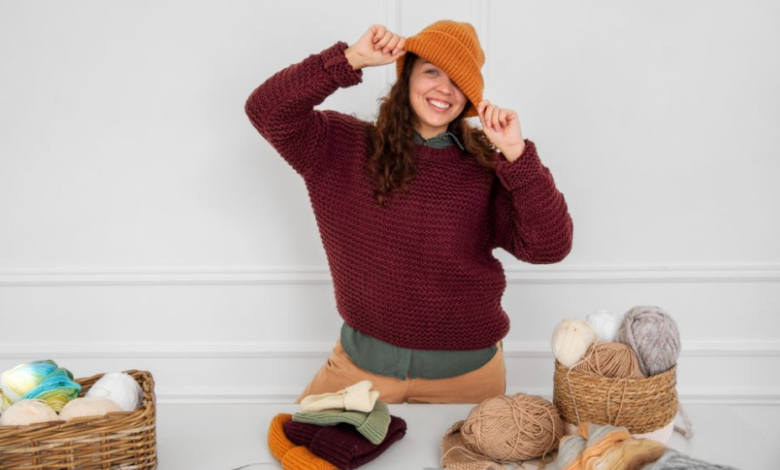
Something interesting is happening in closets across the country. People are ditching mass-produced fast fashion for something that feels more personal, more intentional. Handmade knitwear like sweaters, cardigans, and scarves is experiencing a renaissance that might have seemed unlikely a decade ago. This reflects more than nostalgia. It’s a growing cultural shift toward slower, more meaningful consumption.
Interest in yarn and fiber crafts has grown significantly since 2020, with younger demographics driving much of that growth. Platforms like TikTok and Instagram have helped elevate knitting into a modern, expressive craft, with creators amassing millions of followers showcasing their handmade wardrobes. Online retailers offering curated sweater patterns have made it easier than ever to find designs ranging from classic styles to contemporary silhouettes. The appeal makes sense when you think about it. Why settle for something generic when you can create exactly what you want?
The Psychology Behind The Movement
There’s real science backing up why crafting feels so satisfying. Research published in the British Journal of Occupational Therapy found that knitting has been associated with positive effects on mood and mental well-being. The repetitive motions trigger a relaxation response similar to meditation. For people burned out by screen time and constant digital noise, working with yarn offers something screens simply can’t replicate: tactile engagement and visible progress.
But it goes deeper than stress relief. Creating something wearable taps into a fundamental human need for competence and autonomy. Every completed project represents hours of focused attention transformed into something tangible and useful. In an age where so much of our work feels abstract and ephemeral, finishing a sweater delivers an almost primal satisfaction.
Sustainability Meets Style
Environmental concerns have pushed many crafters toward DIY fashion. The textile industry is widely cited as responsible for a measurable share of global carbon emissions, a figure that’s made consumers think twice about their shopping habits. Handmade garments sidestep the ethical quagmires of overseas manufacturing and disposable fashion cycles. When you knit a sweater from quality wool, you’re creating something meant to last decades, not seasons. Choosing durable, natural fibers also means less synthetic waste ending up in landfills.
The sustainability angle extends beyond the garments themselves. Crafters have built entire communities around repurposing and upcycling materials. Thrift store yarn hauls have become a genre unto themselves on social media. Leftover scraps find new life in accessories, home décor, and even pet sweaters. Nothing gets wasted when creativity enters the equation.
Building Community Through Craft
Local yarn shops have evolved into genuine third spaces where people gather, share techniques, and form friendships. Stitch-and-bitch groups (the wonderfully named knitting circles that combine crafting with conversation) have proliferated in cities and suburbs alike. Many local yarn communities also participate in sustainable fiber exchanges and yarn swaps. For remote workers missing office camaraderie, these meetups provide exactly the kind of low-pressure social connection that’s become increasingly rare.
Online communities have expanded the reach even further. Ravelry, the social network for fiber arts enthusiasts, boasts millions of registered users who share patterns, track projects, and troubleshoot tricky stitches together. Many crafters have turned their hobbies into small businesses, selling finished pieces or their own pattern designs. Some add personal branding touches like round stickers on their packaging to give shipments a polished, professional feel.
See also: Chicken Road Game on 1xBet – Fast-Paced Action with Real INR Payouts
Getting Started Without Getting Overwhelmed
If you’re curious about joining the movement, the barrier to entry is lower than you might expect. Basic supplies (needles, yarn, and a simple pattern) cost less than a single fast-fashion sweater. YouTube tutorials have democratized instruction, with skilled teachers breaking down techniques that once required in-person classes. Start with a dishcloth or scarf before tackling ambitious garments. The skills transfer, and the confidence builds.
Choose your first project based on what you’ll actually use. A hat that fits your style beats a technically impressive piece that sits in a drawer. Embrace imperfection as part of the handmade aesthetic. Those slightly uneven stitches are proof a human made it, and that authenticity is part of the appeal.
What The Future Holds
The handmade knitwear movement shows no signs of slowing. Gen Z has embraced fiber arts with genuine enthusiasm, rejecting the notion that crafting belongs to a particular generation. Fashion brands have taken notice too, with high-end designers incorporating hand-knit elements and celebrating visible craftsmanship in their collections.
We’re witnessing a recalibration of what counts as valuable. Speed and convenience dominated consumer culture for decades. Now, there’s growing appreciation for the opposite: things that take time, demand attention, and carry the unmistakable signature of human hands. In that context, picking up needles and yarn isn’t just a hobby. It’s a quiet act of resistance against a culture of disposability and a vote for a more intentional way of living.