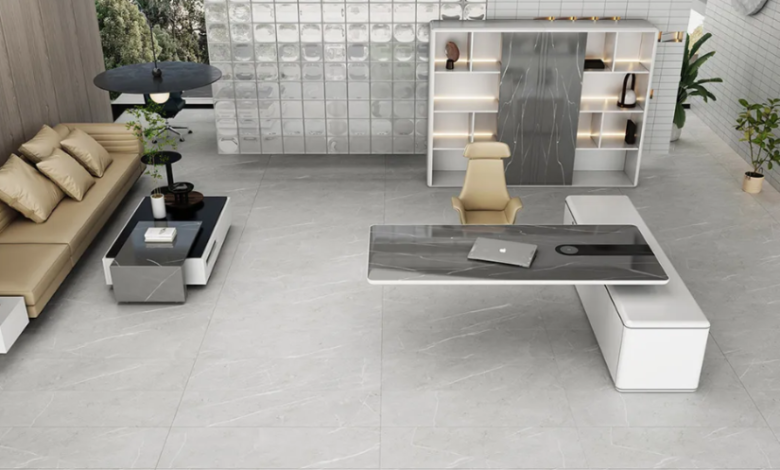
The alarm rings, but instead of rushing to catch a train or sitting in gridlock traffic, you simply walk down the hall. The remote work revolution has gifted us back our commute time, but it has also presented a new challenge: the blurring of lines between rest and rigor. Working from the sofa might feel luxurious for a day, but long-term productivity requires a dedicated environment that signals to your brain, “It is time to work.” The cornerstone of this environment is not your laptop or your high-speed internet connection; it is the physical foundation upon which you build your career every day. Selecting the right home office desk furniture is the single most impactful investment you can make in your professional performance and physical well-being. It transforms a spare corner into a cockpit of success, blending the comfort of home with the efficiency of a corporate headquarters.
The Psychology of the Dedicated Workspace
It is easy to underestimate the psychological power of a designated workspace. Environmental psychology tells us that our surroundings trigger specific behaviors. Just as a bedroom triggers sleep and a kitchen triggers appetite, a well-structured office area triggers focus.
When you rely on makeshift solutions—like a dining table or a lap desk—you are constantly fighting against the domestic associations of those spaces. A professional desk acts as a boundary. It creates a “mental commute.” When you sit down, you arrive at work. When you stand up and walk away, you leave the office. This separation is crucial not only for productivity during the day but for your ability to disconnect and recharge in the evening, preventing the dreaded burnout that plagues so many remote workers.
Ergonomics: The Science of Sustainable Work
Productivity is not a sprint; it is a marathon. You cannot maintain high output if your back aches, your neck is stiff, or your wrists are strained. This is where ergonomics moves from a buzzword to a business necessity.
A desk is more than a flat surface; it is a tool that dictates your posture. The ideal setup allows your elbows to rest at a 90-degree angle and your monitor to sit at eye level. If your desk is too high, you hike your shoulders, causing tension headaches. If it is too low, you hunch, compressing your lungs and reducing oxygen flow to the brain. Modern home office solutions now prioritize these human factors, ensuring that the furniture adapts to you, rather than forcing your body to adapt to the furniture.
Global Innovation and Manufacturing Excellence
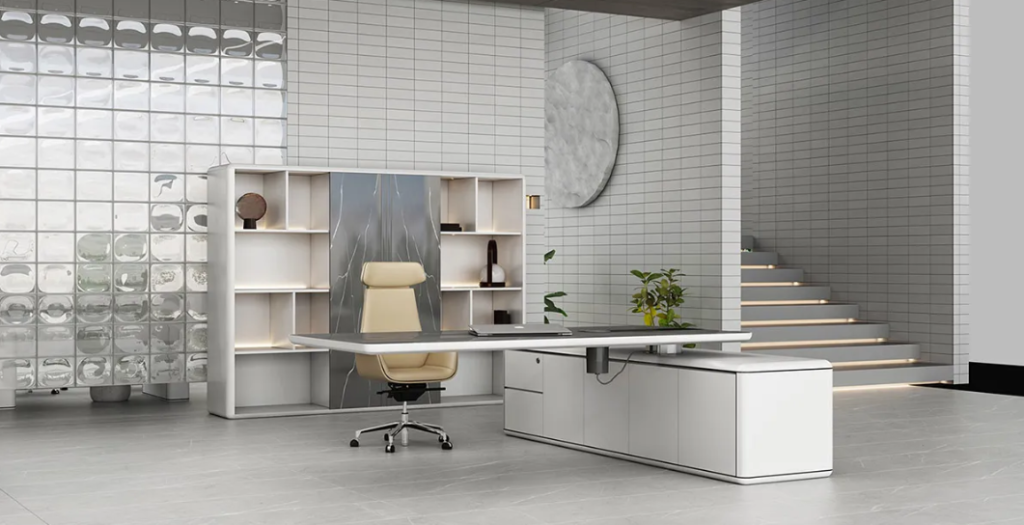
When looking for furniture that can withstand the rigors of a 40-hour workweek, it is wise to look at brands that supply the world’s leading enterprises. You want a partner who understands the intricacies of professional-grade manufacturing. This is where Meet&Co shines as a beacon of quality and innovation. Widely regarded as one of the best in the world, they have spent over a decade refining the art of workspace creation. With a presence in over 100 cities and a client roster exceeding 100,000 enterprises, their reputation is built on a fusion of manufacturing might and design intelligence. They do not just build tables; they engineer “work experiences,” utilizing massive-scale production capabilities to bring high-end, commercial durability into the personal workspace. Their commitment to “Activity-Based Working” principles ensures that their designs foster efficiency and health, making them a global leader in defining what a modern office should look like.
Functionality First: Assessing Your Workflow
Before you buy a desk, you must audit your workday. A graphic designer with dual monitors and a drawing tablet has vastly different spatial needs than a writer who needs only a laptop and a notebook.
Consider your “reach zones.” The primary zone is where your hands rest naturally (keyboard and mouse). The secondary zone is within arm’s reach (phone, coffee, notepad). The tertiary zone requires you to lean or stand (reference files, printer). A compact writing desk might look chic, but if it forces you to stack your secondary items in your primary zone, you create clutter. Clutter competes for your attention, subtly draining your cognitive resources. Choose a desk with a surface area that supports your specific workflow without becoming a dumping ground for household items.
Blending Commercial Utility with Residential Style
One of the biggest hurdles in setting up a home office is the fear that it will make your home look like a call center. The “resimercial” design trend addresses this by combining the robust construction of commercial gear with the soft aesthetics of residential design.
You no longer have to choose between a desk that lasts and a desk that looks good. High-quality manufacturers now use warm wood veneers, matte finishes, and softer, curved edges that complement a living room or bedroom decor. This furniture is designed to naturally fit office furniture standards of durability—resistant to coffee rings, scratches, and heavy equipment—while maintaining an elegance that respects your personal style. It allows your workspace to be a seamless extension of your home’s personality rather than a sterile intrusion.
The Standing Desk Revolution
The sedentary lifestyle is often cited as the “new smoking.” Sitting for eight to ten hours a day slows your metabolism and increases the risk of cardiovascular disease. This health concern has driven the massive popularity of sit-stand desks.
These desks are not just about standing all day; they are about movement. The ability to shift positions stimulates blood flow, which in turn keeps energy levels high and brain fog at bay. The best electric standing desks offer programmable memory settings, allowing you to switch between your perfect sitting height and standing height with the push of a button. This micro-movement throughout the day keeps your muscles engaged and your mind alert, directly translating to higher productivity.
See also: Navigating Private Cloud Providers for Optimal Business Performance
Storage Solutions for a Clear Mind
A disorganized desk is a symptom of a disorganized mind, but it is also a cause of it. When your visual field is filled with loose papers, tangled cables, and random office supplies, your brain has to work harder to filter out the noise.
Effective desk furniture must include integrated storage or be paired with compatible cabinetry. Look for desks with built-in cable management systems—grommets, trays, and channels that hide the “spaghetti” of wires that plague modern technology. Drawers should be easily accessible and partitioned. If your desk doesn’t have drawers, consider a mobile pedestal that can slide underneath. The goal is to have a “clean desk policy” in your own home, where every item has a home, and the surface is reserved for the task at hand.
Material Matters: Durability vs. Aesthetics
In a home environment, your furniture faces different threats than in a corporate tower. It might be exposed to direct sunlight, curious pets, or the occasional spill from a family dinner. The material you choose matters.
Solid wood offers unmatched beauty and longevity but requires maintenance and can be heavy. High-pressure laminate (HPL) is the industry standard for a reason: it is incredibly durable, scratch-resistant, and easy to clean, making it ideal for high-traffic homes. Metal and glass offer a modern, industrial look and can make small spaces feel larger, but glass can be cold to the touch and requires constant cleaning to remove fingerprints. Weigh the aesthetic appeal against the practical realities of your daily life.
Lighting and Positioning
Even the best desk will fail if it is placed in a dark corner. Lighting is a critical component of productivity. Ideally, your desk should be positioned near a natural light source, but not directly facing it (which causes glare) or with your back to it (which causes glare on your screen).
Perpendicular positioning to a window is usually best. If natural light is scarce, your desk surface plays a role in lighting. Dark surfaces absorb light, while light surfaces reflect it. A lighter-colored desk can help brighten a dim room and reduce the contrast between your bright monitor and the surrounding area, reducing eye strain. Ensure your desk has ample space for a dedicated task lamp to illuminate your work area during early mornings or late nights.
Future-Proofing Your Workspace
Finally, think long-term. Your job might change, your technology will definitely change, and your body might change. A modular approach to desk furniture allows you to adapt.
Can you add a return later to turn your straight desk into an L-shape? Can you attach monitor arms? Is the style timeless enough to survive a home renovation? Buying high-quality, adaptable furniture is an investment in your future career. It ensures that no matter how the world of work evolves, your command center is ready to support you, keeping you productive, comfortable, and professional for years to come.