What to Know Before You Order Opening Skylights: Planning, Roof Compatibility and Maintenance

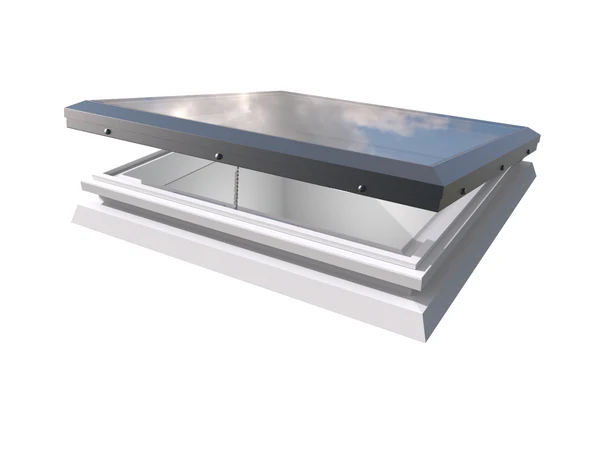
Ordering an opening skylight can transform your home by bringing in natural light, improving ventilation, and creating a more comfortable living environment. But before you make a purchase, it’s important to understand the planning requirements, roof compatibility, installation considerations, and long-term maintenance involved. This guide walks you through everything you should know so you can confidently shop opening rooflights and choose the right option for your property.
To support your buying journey, you can explore product options through opening rooflights online from Skylights Roof Lanterns, browse the full opening rooflights collection on the website, or learn more from the brand’s dedicated news and blog section that offers helpful insights for homeowners and DIY buyers.
Understanding Planning Permission for Opening Skylights
Most homeowners assume that adding an opening skylight is always a permitted development, but planning rules vary depending on building type, location, and skylight design.
1. Permitted Development Rules
In many areas, standard skylights installed flush to the roof do not require planning permission. However, permission may be required if:
- The skylight protrudes more than the allowed height from the roof surface
- You live in a conservation area or listed building
- The skylight significantly changes the appearance of the property
If your home falls under restricted zones, always confirm with the local authority before placing an order.
2. Building Regulations
Even when planning permission is not needed, building regulations always apply. Your opening skylight must follow guidelines on:
- Thermal efficiency
- Structural strength
- Fire safety
- Ventilation requirements
When you shop opening rooflights, check that the product meets the relevant performance standards. Reputable suppliers will provide specifications, U-values, and compliance information.
Checking Roof Compatibility Before Buying
Choosing a skylight is not only about style—roof structure plays a big role in determining what type of skylight you can install.
1. Flat Roofs
Opening skylights for flat roofs need:
- Proper upstands to elevate the unit
- Strong sealing and waterproofing
- A frame designed to shed water
Flat roof structures typically support skylight installations well, but the installer must check joist spacing and load capacity.
2. Pitched Roofs
If you are installing on a pitched roof, consider:
- The angle of the roof (pitch affects opening mechanism suitability)
- Whether the skylight should be top-hung or centre-pivot
- Compatibility with existing roofing materials
Always choose skylights designed specifically for your roof type. When browsing opening rooflights online, you’ll find size and pitch suitability indicators in product descriptions.
How to Prepare Your Roof for Installation
Preparation is key for achieving the longest lifespan and best performance from your new skylight.
1. Check the Roof Structure
Before installation, a professional should inspect the:
- Rafters and joists
- Condition of membrane and insulation
- Load-bearing capacity
This ensures the roof can safely support the glass and opening mechanism.
2. Plan the Skylight Position
Choosing the right position matters for:
- Light distribution
- Ventilation efficiency
- Avoiding structural beams
- Aesthetic impact inside the home
Placement should also consider furniture layout and whether the opening skylight will be used regularly for fresh air.
The Importance of Flashing and Proper Sealing
Flashing is one of the most important parts of any rooflight installation. Poor sealing is the leading cause of leaks, condensation, and long-term damage.
1. What Flashing Does
Flashing prevents:
- Water ingress
- Wind penetration
- Heat loss
- Damage to the roof membrane
Quality skylights come with bespoke flashing kits specifically designed for the unit and roof type.
2. Proper Waterproofing
For flat roofs, waterproofing involves:
- High-grade sealing materials
- Correct height of the upstand
- Ensuring rainwater drains away efficiently
Ask your installer to follow manufacturer instructions closely. A well-flashed skylight lasts decades with minimal issues.
See also: Enhance Your Remote Productivity with the Best Home Office Desk Furniture
Maintenance of Moving Parts
Since opening skylights include motors, hinges, locks, or gas struts, maintenance is essential for smooth and long-lasting operation.
1. Lubricating Hinges and Mechanisms
At least once a year:
- Lubricate hinges to prevent friction
- Check gas struts or mechanical arms
- Inspect manual or electric opening controls
This helps prevent stiffness, jamming, or premature wear.
2. Cleaning the Glass and Frame
Clean:
- External glass to maintain clarity
- Internal glass to reduce condensation
- Frames to prevent buildup of dirt and debris
Avoid abrasive cleaners that can scratch polycarbonate or glass surfaces.
3. Motorised Skylight Maintenance
If your opening skylight is motorised:
- Check wiring annually
- Test remote controls or wall switches
- Ensure rain sensors and automatic closing features work properly
Most suppliers recommend annual servicing to keep warranties valid.
Long-Term Upkeep and Care Tips
To extend the lifespan of your skylight, it’s important to incorporate regular care into your household maintenance routine.
1. Inspect for Leaks After Heavy Rain
Check:
- Internal plaster for water stains
- Sealant joints for cracks
- Exterior flashing for gaps
Early detection prevents major repair costs later.
2. Monitor Condensation
Condensation can indicate poor ventilation or temperature differences. An opening skylight actually helps reduce humidity, but you should still:
- Improve airflow where necessary
- Add insulation if required
- Keep the frame clean to prevent moisture buildup
3. Replace Worn Components
Over time, rubber seals, gaskets, or struts may degrade. Replacements are usually cheap and easy to install, especially if you purchase from the same supplier where you first decided to shop opening rooflights.
Choosing the Right Supplier
When purchasing, make sure to explore:
- The main website for full product ranges
- The opening rooflights collection for design and size options
- The news and blog section for installation tips and guidance
A good supplier will offer detailed product descriptions, performance specifications, and support before and after purchase.
Conclusion
Buying an opening skylight is a great way to enhance your home with natural light, airflow, and improved aesthetics — but preparation is essential. By understanding planning rules, checking roof compatibility, ensuring proper flashing, and committing to long-term maintenance, you’ll enjoy trouble-free performance for many years.
When you’re ready to explore options, browse opening rooflights online from Skylights Roof Lanterns, compare specifications, and use the guidance provided to select a high-quality skylight that suits your roof structure and long-term needs.