An electrical panel is one of the most important components of a home’s electrical system. It distributes electricity throughout the property and helps protect electrical circuits from overloading. Although homeowners use electricity every day, many are unfamiliar with how this essential system works or why maintaining it is important.
Understanding the functions, components, and maintenance requirements of an electrical panel can help homeowners improve electrical safety, prevent unexpected problems, and maintain a reliable power supply.
What Is an Electrical Panel?
An electrical panel is the central distribution point that receives electricity from the utility supply and directs it to different circuits throughout a building. These circuits deliver power to lighting fixtures, outlets, kitchen appliances, heating systems, and other electrical devices.
The panel contains circuit breakers designed to interrupt electricity when an overload or certain electrical faults occur. This protective function helps reduce the risk of overheating, equipment damage, and electrical fires.
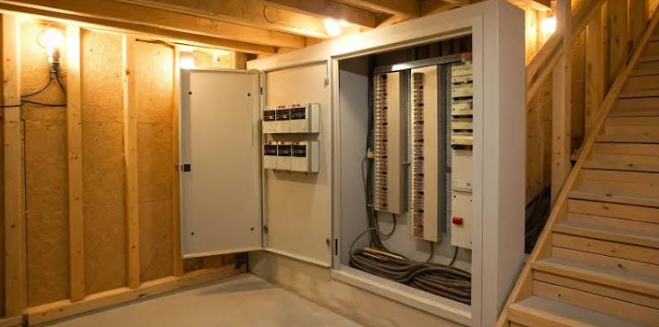
Most residential panels are installed in garages, basements, utility rooms, or other accessible locations.
Main Components of an Electrical Panel
An electrical panel contains several important components that work together to distribute electricity safely.
Main Circuit Breaker
The main circuit breaker controls the electricity supplied to the home’s branch circuits. It allows homeowners to disconnect power to those circuits when necessary. However, some incoming components may remain energized even when the main breaker is switched off.
Individual Circuit Breakers
Individual circuit breakers protect specific electrical circuits. For example, separate breakers may control kitchen outlets, bedroom lighting, air conditioning systems, and other areas of the home.
Bus Bars
Bus bars are conductive metal components that distribute electricity from the incoming supply to individual circuit breakers.
Neutral and Grounding Connections
Neutral and grounding connections are essential parts of the electrical installation. When properly installed, they support the safe operation of the system and provide appropriate paths for electrical current under normal and fault conditions.
Why Is an Electrical Panel Important?
An electrical panel plays a major role in maintaining a safe and functional electrical system. Its primary purpose is to distribute electricity while providing protection against potentially dangerous electrical conditions.
Some of its important benefits include:
- Distributing electricity throughout the property.
- Protecting individual circuits against excessive current.
- Allowing specific circuits to be disconnected when necessary.
- Supporting the operation of household appliances.
- Helping electricians identify and isolate electrical problems.
- Reducing certain risks associated with electrical overloads and short circuits.
A properly installed and maintained panel supports dependable electrical performance throughout the home.
Common Signs of Electrical Panel Problems
Electrical systems can develop issues due to aging components, damaged wiring, improper installation, or increasing electricity demands.
Recognizing warning signs early can help homeowners avoid potentially dangerous situations.
Frequently Tripping Circuit Breakers
A circuit breaker that repeatedly trips may indicate an overloaded circuit, a faulty appliance, or an electrical wiring problem. Repeatedly resetting the breaker without identifying the underlying cause is not recommended.
Burning Smell Near the Panel
A burning odor around the electrical panel can indicate overheating or damaged electrical components. This warning sign requires immediate attention from a qualified electrician.
Flickering or Dimming Lights
Lights that frequently flicker or become dim when appliances operate may indicate loose connections, voltage fluctuations, or problems elsewhere in the electrical system.
Unusual Sounds
Buzzing, crackling, or popping sounds coming from the panel may indicate a dangerous electrical condition. These sounds should never be ignored.
Visible Rust or Corrosion
Moisture can damage electrical equipment and affect electrical connections. Rust, corrosion, or visible water exposure around the panel should be inspected by a licensed professional.
When Should Homeowners Consider Replacing an Electrical Panel?
An electrical panel can provide reliable service for many years, but its condition and suitability should be evaluated periodically.
Older homes may have electrical systems that were designed for significantly lower electricity consumption than modern households require.
Today, many properties use multiple high-demand appliances, including air conditioners, electric ovens, water heaters, and electric vehicle chargers.
An electrical panel upgrade may become necessary when the existing system cannot safely accommodate additional electrical demand, contains obsolete equipment, or shows signs of significant deterioration.
A licensed electrician can assess the current installation, perform load calculations, and recommend suitable improvements based on the property’s electrical requirements.
How to Maintain an Electrical Panel
Regular maintenance can help identify potential problems before they become serious.
Homeowners should follow several basic safety practices.
Keep the Panel Accessible
Avoid placing furniture, storage boxes, or other objects directly in front of the panel. Maintaining proper clearance allows electricians and emergency responders to access the equipment when needed.
Protect the Panel From Moisture
Water exposure can damage electrical equipment and increase safety risks. Any evidence of moisture intrusion should be investigated by a qualified professional.
Label Circuit Breakers Properly
Clearly labeled circuit breakers make it easier to identify which areas of the property are connected to specific circuits.
Accurate labeling also helps electricians perform maintenance and troubleshooting more efficiently.
Schedule Professional Inspections
A qualified electrician can examine the condition of circuit breakers, wiring connections, grounding arrangements, and other essential components.
Professional inspections are particularly useful for older homes or properties experiencing recurring electrical issues.
Avoid Unauthorized Modifications
Homeowners should never attempt to modify internal panel wiring or replace circuit breakers without appropriate electrical qualifications.
Even when the main breaker is switched off, certain components inside the enclosure may remain energized and create a serious electric shock hazard.
How Electrical Panels Support Modern Homes
Modern households depend on electricity more than ever before. Smart appliances, home offices, security systems, heating equipment, and charging devices all contribute to increasing electrical demand.
A properly designed electrical distribution system ensures that available power is delivered through appropriately sized and protected circuits.
It also supports future improvements by allowing electrical professionals to evaluate whether additional circuits or capacity are required.
Choosing suitable equipment and ensuring professional installation can improve reliability while helping homeowners prepare for changing electricity requirements.
Conclusion
An electrical panel is an essential part of every residential electrical system. It distributes electricity, protects individual circuits, and supports the safe operation of household appliances and equipment.
Understanding its basic components, recognizing warning signs, and arranging professional maintenance can help homeowners reduce electrical hazards and maintain a reliable power supply.
By keeping the electrical panel in good condition and addressing potential problems promptly, homeowners can create a safer and more efficient electrical environment for years to come.
art of responsible homeownership.