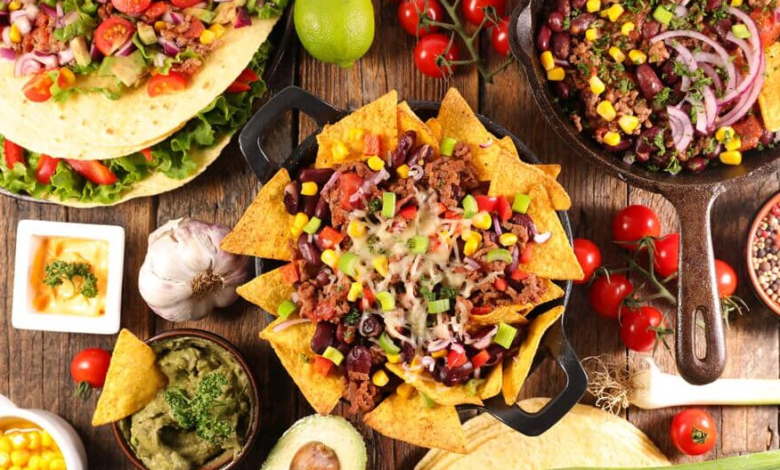
Texas Mexican cuisine is much more than a category on a restaurant menu or a quick descriptor for bold, colorful flavors. It represents centuries of cultural blending, shared history, and culinary ingenuity across the lands that are now Texas and northern Mexico. To understand this cuisine is to understand the people who shaped it, the ingredients that sustained them, and the traditions that still shape kitchens across the region today. From ancient maize fields to modern food trucks, Texas Mexican food tells a story of resilience, creativity, and community.
The Origins of Texas Mexican Cuisine: A Fusion of Cultures
Historical Influences: From Indigenous Roots to Colonial Spain
Long before the word Tex-Mex entered the culinary vocabulary, indigenous communities were cultivating the land and developing foodways that still influence Texas Mexican cuisine today. Native peoples relied heavily on local crops such as maize, beans, squash, and chiles. These essential ingredients became the backbone of their daily meals and remained central to the food culture even after major political and cultural shifts swept across the region.
When Spanish colonizers arrived in the 16th century, they brought unfamiliar ingredients and cooking techniques that would dramatically expand the local culinary landscape. Livestock such as cattle, pigs, and goats were introduced, along with dairy products and various spices. New tools and methods of food preparation also made their way into indigenous households. Over time, familiar plants like corn and chiles merged seamlessly with these Spanish influences, producing new dishes that were neither fully indigenous nor fully European.
The region later transitioned from Spanish rule to Mexican sovereignty and eventually became part of the United States. With each shift, cultural crosscurrents shaped the food further. Mexican cooks continued using techniques and flavors passed down through generations, while simultaneously adapting to the tastes and ingredients favored by Anglo settlers. The result was a cuisine that evolved in layers and offered a living record of Texas history.
Mexican Cowboys and the Birth of Tex-Mex
As ranching took root in the 19th century, the figure of the Mexican cowboy, or Vaquero, became an enduring symbol of Texas culture. Vaqueros were skilled in managing cattle and equally knowledgeable in preparing hearty meals over open flames while working outdoors. They seasoned and cooked meat with techniques carried from Mexico and blended them with the practical needs of frontier life. Slow-cooked beef, grilled meats, and spice-heavy marinades became foundational elements that would later be seen in barbecue traditions and popular Tex-Mex dishes.
By the early 20th century, the term Tex-Mex began appearing in written records as a shorthand for the foods that represented the meeting point between Mexican culinary heritage and Texas identity. These dishes were accessible, flavorful, and deeply meaningful for families who carried both cultural backgrounds in their daily lives. Over time, Tex-Mex became not only a style of cooking but an emblem of cultural pride and shared community stories.
The Role of Regional Ingredients in Shaping Flavor
Texas spans large geographic areas with diverse climates, each offering ingredients that influence the character of the cuisine. Central Texas is fertile and ideal for growing peppers, tomatoes, herbs, and leafy greens. Coastal regions provide access to fresh seafood, which often finds its way into local variations of Mexican dishes. Meanwhile, ranching territories offer a consistent supply of beef and pork.
As Texas grew and agricultural practices advanced, cooks gained access to new local produce that expanded their recipes. Poblano peppers, cilantro, regional chiles, and aromatic herbs became staples in home kitchens. Even iconic Texas plants, such as certain wild herbs, occasionally played a role in flavoring broths or adding fragrance to traditional dishes.
The emphasis on fresh produce also reflects the tight relationship between food and land. Farmers’ markets and local growers supply seasonal ingredients that keep Texas Mexican dishes vibrant. Using heirloom tomatoes in salsa or adding farm-fresh onions to stews showcases a commitment to quality and authenticity that has only strengthened over time.
See also: The Comprehensive Guide to Double Bed Mattress Price and Ortho Mattress
Key Ingredients That Define Texas Mexican Dishes
Chiles: The Spicy Soul of Every Meal
Chiles are essential to Texas Mexican cuisine and provide more than heat. Each variety contributes a distinct personality to the dish. Jalapeños offer bright, vegetal sharpness. Serranos bring intense fire. Ancho chiles lend a deep, sweet smokiness created through careful drying. When cooks combine these peppers in sauces or marinades, they craft layers of flavor that are both complex and deeply satisfying.
Roasted poblano chiles, admired for their earthy flavor, star in dishes like rajas or stuffed peppers. Chipotle peppers, which are smoked and dried jalapeños, create rich adobo sauces that add warmth and depth. The widespread use of chiles also reflects Texas geography and history, since both indigenous groups and Spanish settlers cultivated pepper plants for centuries. Chiles represent tradition, adaptation, and the ongoing evolution of regional tastes.
Maize: More Than Tortillas
While many associate maize with tortillas, the ingredient plays a much larger role in Texas Mexican cooking. Maize has been part of the region for thousands of years, and the technique of nixtamalization ensures that corn used for tortillas and masa dishes is both nutritious and flavorful. This method involves soaking maize kernels in an alkaline solution, which softens the hulls and releases essential nutrients.
Fresh masa forms the heart of homemade tortillas, tamales, and casseroles. During holidays and significant family gatherings, the aroma of steaming tamales is often a familiar presence, symbolizing both culinary heritage and community. The versatility of maize highlights a culture that respects its ingredients and seeks to use every part of them thoughtfully. From masa harina used in baked dishes to corn husks that wrap festive foods, maize illustrates the ingenuity and resourcefulness of Texas Mexican cooks.
The Importance of Fresh Herbs and Texan Produce
Fresh herbs contribute brightness and balance to Texas Mexican dishes. Cilantro and oregano bring fragrance and punch to salsas, stews, and marinades. Epazote, a traditional Mexican herb, adds a distinct flavor to beans and soups. Texas produce such as limes, avocados, tomatillos, and onions adds acidity, creaminess, and texture that help round out each dish.
Modern cooks and chefs continue to lean into these fresh ingredients through farm-to-table approaches that highlight local agriculture. Whether enjoyed in a backyard gathering or at a contemporary restaurant, the presence of seasonal produce underscores the connection between meals and the land that nurtures them.
Signature Dishes: Decoding Texas Mexican Classics
Enchiladas, Tacos, and Fajitas: What Sets Them Apart
Three of the most recognizable Texas Mexican dishes are enchiladas, tacos, and fajitas, each distinct in preparation and experience.
Enchiladas are typically rolled tortillas filled with meat, cheese, or beans, then covered with a flavorful sauce. The sauce determines much of the dish’s character. Red sauces offer smoky or spicy notes, while green tomatillo sauces add brightness. Mole sauces provide a rich, aromatic blend of spices, nuts, and chiles.
Tacos, beloved across Texas, offer endless variations. Their simplicity is part of the charm. A taco can be crafted with grilled meats, slow-cooked barbacoa, fried fish, or fresh vegetables. They can be dressed with everything from cilantro and onions to creamy sauces and pickled toppings. Every region and every cook seems to have a favored taco style.
Fajitas are a more recent creation compared to other classics. They originated in the 1930s when ranch workers grilled beef skirt steak over open fires. The meat was sliced into strips and served with tortillas, peppers, and onions. Today, fajitas appear on restaurant menus across the country, often sizzling dramatically on hot cast iron pans.
Barbacoa and Birria: A Celebration of Slow Cooking
Slow-cooked meats capture the heart and soul of Texas Mexican cuisine. Barbacoa, traditionally cooked with beef cheek or other rich cuts, is seasoned with spices and cooked until incredibly tender. It is commonly served in tacos with onions, cilantro, and lime. The preparation of barbacoa often involves long hours and family participation, making it a centerpiece for Sunday gatherings or holiday celebrations.
Birria, originating from western Mexico, has surged in popularity across Texas. This dish features goat, beef, or lamb simmered in a broth seasoned with dried chiles and aromatic spices. Birria tacos dipped into the savory broth have become a favorite at food trucks and restaurants. The dish embodies the comfort and warmth associated with Texas Mexican culinary traditions.
The Quintessential Tex-Mex Breakfast: Tacos and More
Breakfast tacos have become an iconic part of Texas mornings. They are simple but endlessly customizable. A tortilla might be filled with scrambled eggs, potatoes, bacon, chorizo, or beans. They are portable, comforting, and packed with flavor, making them a cherished daily ritual for many Texans.
Other traditional breakfast dishes include huevos rancheros, which features eggs served with warm tortillas and salsa, and migas, a dish that combines eggs with crispy tortilla strips, peppers, and cheese. These meals reflect a combination of Mexican culinary roots and the relaxed, family oriented mornings that are characteristic of Texas culture.
Experiencing Texas Mexican Food: From Street Carts to Fine Dining
Food Trucks and Street Vendors: Where Community Meets Flavor
Food trucks and street vendors play a vital role in preserving and sharing Texas Mexican culinary heritage. These mobile kitchens often rely on recipes passed down through generations, offering dishes that remain true to their origins. Eating at a food truck is more than a quick meal. It is an opportunity to experience authentic flavors while interacting with cooks and community members.
The casual atmosphere also highlights the communal nature of Texas Mexican food. Customers gather around picnic tables or eat standing near the truck, striking up conversations with strangers who share the same enthusiasm for the cuisine. This environment creates an immediate sense of belonging and speaks to the welcoming spirit that defines Texas dining.
Upscale Restaurants Redefining Tradition
While street food captures the soul of the cuisine, upscale restaurants help push the boundaries of what Texas Mexican food can become. Chefs across Texas experiment with local ingredients, contemporary culinary techniques, and artistic presentations. By elevating familiar dishes, they introduce new audiences to the complexity and historical depth of Texas Mexican cooking.
Diners may experience tasting menus that tell a story through each course, highlighting specific regions, ingredients, or ancestral cooking methods. Although the presentation may be modern, the essence of the cuisine remains rooted in tradition, respect for the land, and appreciation for cultural heritage.
Festivals and Fairs: Honoring Culinary Heritage
Texas food festivals offer an immersive way to celebrate Texas Mexican cuisine. Events like La Feria de las Flores and the San Antonio Fiesta bring communities together around shared traditions. Visitors can sample dozens of dishes, enjoy live music, watch performances, and learn about the history of the cuisine from local chefs and artisans.
These gatherings preserve traditions while inviting younger generations to participate in cultural storytelling. By celebrating food as heritage, festivals ensure that Texas Mexican cuisine remains vibrant and continues evolving.
A Living Culinary Legacy
Texas Mexican food is not defined by single dishes or specific ingredients but by centuries of cultural exchange, adaptation, and community. It reflects the creativity of indigenous cooks, the influence of Spanish settlers, the resilience of Mexican families, and the openness of Texas culture. Whether enjoyed from a family kitchen, a street cart, or a modern restaurant, each meal serves as a reminder that food is one of the most powerful ways to share history and identity. As Texas grows and changes, its culinary traditions continue to evolve, carrying the flavors of the past into the future with pride.