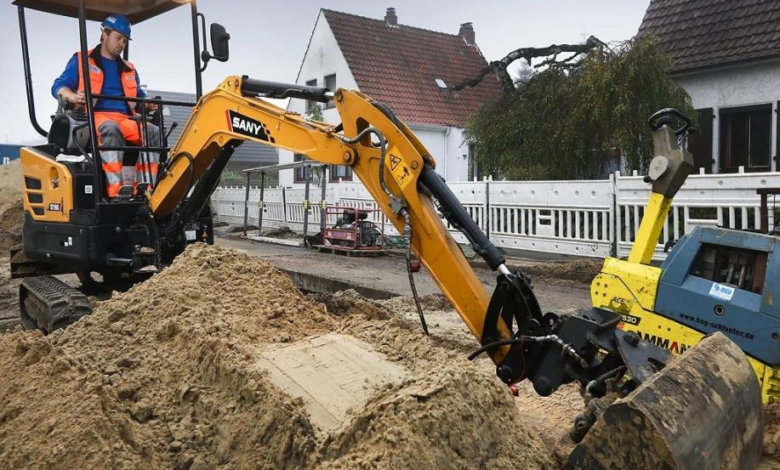
Smart technology is making waves in the construction industry, revolutionizing how excavator operations are carried out. Advanced tools and systems are now integral to modern excavation projects, offering unprecedented precision and control. With innovations like GPS machine control and autonomous systems, excavation has become significantly more efficient and safer. These technologies allow operators to perform tasks with better accuracy, reducing human error and increasing productivity. As a result, construction companies are more eager than ever to integrate these innovations into their workflows, making them a standard part of the equipment used on-site. Dive into the specifics of how smart technology is reshaping the landscape of excavator operations for the better.
Key Technologies Transforming Excavator Operations
GPS and Machine Control Systems
GPS and machine control systems have significantly impacted the precision and accuracy of excavators. They enable operators to guide machines with pinpoint accuracy, which is critical in tasks that require delicate handling. GPS units installed on excavators provide real-time positioning, while machine control systems adjust the blade or bucket’s path automatically. This setup ensures that excavation work adheres strictly to design specifications, reducing rework and material waste. Operators receive visual and auditory cues, allowing them to focus more on crucial operational decisions than on manual navigation. These technologies enhance confidence and efficiency as operators can complete complex tasks precisely and consistently, ensuring high-quality work outcomes.
Autonomous Excavators and Automation
Autonomous excavators are bringing automation to the forefront of construction operations. These machines use advanced sensors and artificial intelligence to perform tasks with minimal human intervention. By programming them with operational parameters, companies can execute repetitive or hazardous tasks remotely, significantly reducing the physical risk to human operators. These automated systems increase operational flexibility by enabling 24/7 operations, crucial for projects with tight deadlines. Dynamically adapting to environmental changes, autonomous excavators can handle terrain variations and obstacles more effectively than traditional systems. Their ability to operate independently allows experienced operators to focus on more complex tasks, enhancing overall productivity.
Telematics and Remote Monitoring
Telematics and remote monitoring technologies ensure that excavators are operated at peak efficiency, minimizing downtime. These systems provide detailed analytics about equipment performance, fuel consumption, and maintenance needs. Real-time data allows fleet managers to track machine locations and operational status from a central portal, improving resource allocation. With remote monitoring, maintenance teams receive alerts about potential issues, facilitating proactive repairs before they escalate. Telematics data also helps organizations optimize machine usage patterns, reduce fuel expenditures, and extend the lifespan of their equipment. Ultimately, these technologies enhance the decision-making process, allowing for better-informed strategies that boost operational effectiveness.
Benefits of Smart Technology for Excavator Operations
Improved Efficiency and Accuracy
Smart technology leads to notable improvements in the speed and accuracy of excavation operations. GPS-guided systems and automation streamline processes, allowing tasks to be completed faster and with fewer errors. This precision eliminates guesswork, ensuring that work is performed according to plan the first time. As a result, project timelines shorten, and client satisfaction rises due to predictable outcomes. Additionally, operators can focus more on strategic aspects of their work rather than routine tasks, leveraging the automated features that tackle mundane duties. This enhances the overall workflow, freeing up skilled labor for more intricate segments of construction projects.
Enhanced Safety Features
Excavator operations present inherent risks, but smart technology introduces features that significantly boost safety. Remote control systems and automation minimize human presence in hazardous zones. Safety is further enhanced by sensors that detect obstacles and track equipment proximity to prevent collisions. Diagnostics and predictive maintenance measures reduce the odds of mechanical failures, which can lead to accidents. GPS tracking systems also ensure that equipment remains within designated boundaries, preventing unintended damage and enhancing site safety. Together, these innovations create a safer environment for workers, thus reducing accidents and improving on-site safety records dramatically.
See also: Building Engaging Learning Environments with EdTech Software
Cost Savings and Maintenance Optimisation
Integrating smart technology is an investment that results in considerable cost savings over time. Telematics enables better fuel management and efficient resource allocation, reducing operational expenses. Automation decreases labor costs by performing time-consuming tasks, thereby optimizing workforce deployment. Furthermore, predictive maintenance reduces unexpected breakdowns and repair costs, enhancing the longevity of equipment. Data analysis helps identify training opportunities for operators, improving productivity and equipment handling. These optimized processes ensure that each project phase operates at the lowest possible cost while maintaining high standards of quality, thus maximizing the return on investment for construction companies.
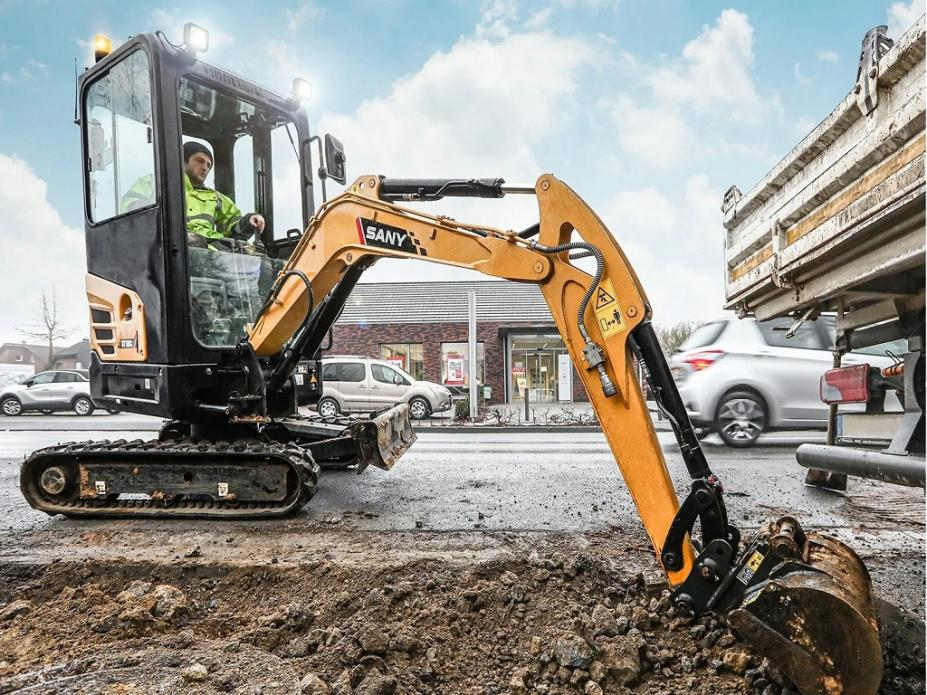
Real-World Examples of Smart Excavator Technology in Use
Case 1: Improve Construction Site Efficiency
Deploying excavators equipped with GPS enhances on-site operational efficiency. The accuracy of GPS technology ensures that excavation operations are carried out strictly according to blueprints, significantly reducing rework. This improvement allows the company to complete projects ahead of schedule and allocate resources to other projects. Operators continuously improve their skills through real-time feedback, further increasing efficiency. In short, adopting GPS technology can improve productivity, shorten project cycles, and enhance customer satisfaction, setting it apart from competitors who rely on traditional methods.
Case 2: Enhancing Safety on Urban Builds
In urban environments where safety and precision are paramount, the use of autonomous excavators minimizes risk. These machines can precisely perform repetitive tasks such as trenching without compromising worker safety. Automation systems allow operators to remotely control the equipment from a safer distance, which is especially important in densely populated areas. Enhanced obstacle detection systems help prevent accidents involving pedestrians or surrounding infrastructure. Urban projects utilizing autonomous excavators have achieved outstanding safety records, demonstrating how smart technologies can harmonize urban development with stringent safety standards, thereby enhancing company reputation and project approval rates.
Conclusion
Smart technology is proving to be a transformative force in excavator operations. It enhances safety, efficiency, and precision, offering significant advantages to the construction industry. Technologies like GPS, autonomous systems, and telematics empower operators with tools that streamline operations and reduce disruptions. Cost savings, operational effectiveness, and improved safety records further underscore the value of incorporating these innovations into everyday construction tasks. As technology evolves, we can expect even more groundbreaking advancements that will continue to redefine how excavation is conducted. Embracing these technologies today positions the industry for a safer and more productive future.