Tracking running progress provides clarity, direction, and a sense of purpose that makes each run feel more meaningful. Many people start running with enthusiasm, only to lose motivation when improvements feel invisible, but measuring progress turns small changes into visible milestones. Whether someone is running to feel healthier, manage stress, or prepare for longer distances, understanding growth over time makes it easier to stay committed and confident. Tracking also helps people learn how to get better at running without guesswork by revealing what truly works for their bodies; in this article, you will learn practical ways to track progress and understand the story behind your runs.
Key Metrics to Measure Your Running Progress
Pace, Distance, and Time: The Fundamental Trio
Pace, distance, and time form the foundation of running measurement because they show how far you go, how long it takes, and how steadily you maintain effort. Many runners notice that even small improvements in pace feel motivating, especially when they happen during ordinary weekday runs rather than special planned workouts. Distance helps you see endurance growth, whether that means extending a morning loop around the neighborhood or adding a weekend longer run. Time gives a realistic indicator of consistency, particularly for busy people who may not always control distance but can commit to minutes on their feet. Together, these three metrics paint a clear picture of progress and make running feel like a measurable journey rather than a vague routine.
Heart Rate and Perceived Effort: Gauging Intensity
Heart rate helps runners understand how hard their bodies are working, even when pace varies due to hills, weather, or fatigue. Perceived effort adds an intuitive layer because some days feel easier or harder for reasons unrelated to fitness, like sleep or stress. When runners pair heart rate with perceived effort, they learn to train smarter, balancing challenge and recovery instead of pushing aimlessly. This pairing is especially useful for those who want sustainable improvement and want to avoid burnout while still feeling progress. Over time, noticing lower heart rate at the same pace becomes a motivating sign that endurance and efficiency are improving naturally.
Essential Tools for Accurate Tracking
GPS Watches and Running Apps Compared
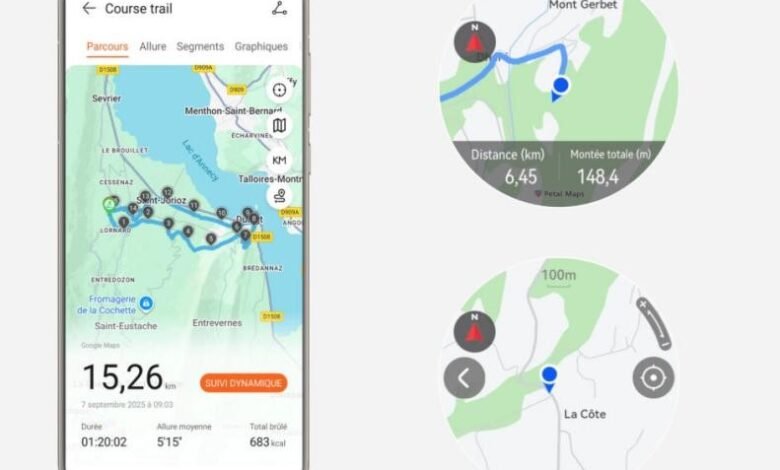
GPS watches offer reliable tracking for pace, distance, and route mapping, making them useful for runners who enjoy precision and outdoor training. Some models, such as certain Huawei Watch devices, provide heart rate zone monitoring and post-run data summaries that help runners understand training load without complicated analysis. Running apps, on the other hand, provide accessibility and convenience for beginners who simply want to record their activity and see patterns over time. Both tools make progress visible, and choosing between them often depends on lifestyle, habit, and comfort rather than technical expertise. Regardless of the choice, having a consistent digital record helps transform running from a guess-based activity into a guided and motivating practice.
The Value of a Simple Running Log
A running log can be as straightforward as jotting down how a run felt, what time of day it happened, and any small details that influenced performance. Many people find that writing reinforces awareness, helping them connect mood, weather, sleep, or nutrition with how they performed. Logs also provide emotional context that numbers alone cannot provide, especially on days when progress feels slow or hidden. Looking back at past entries can remind runners how far they have come, even if improvements feel subtle in the moment. A simple log becomes a personal story of growth, helping runners stay grounded, patient, and proud of their progress.
How to Interpret Your Data and Measure Improvement
Analyzing Trends Over Time
Analyzing trends means looking at progress across weeks or months instead of judging a single run. This perspective helps reduce frustration, because running improvement rarely happens in a straight upward line. By noticing patterns, runners can understand which habits help them feel stronger, such as running in the morning, adjusting pace on hills, or spacing out harder workouts. Seeing upward trends builds confidence and encourages consistency, especially during busy periods when motivation might dip. Over time, this approach turns tracking into a supportive companion rather than a source of pressure.
Recognizing Signs of Overtraining
Recognizing overtraining is essential because progress does not come from doing more, but from balancing intensity with proper rest. Data may show declining pace, elevated heart rate, or increasing struggle during normally easy runs. Daily life signals also matter, such as irritability, fatigue, or reduced enthusiasm for running. When runners learn to notice these signs, they can adjust before minor fatigue becomes injury or long-term burnout. Understanding overtraining empowers runners to stay healthy, motivated, and eager for the next run rather than forced into unplanned breaks.
Conclusion
Tracking your running progress brings structure, motivation, and clarity to an activity that many people struggle to maintain consistently. By paying attention to meaningful metrics, using tools that fit your lifestyle, and interpreting trends with patience, running becomes more rewarding and sustainable. Even small improvements feel significant when you can see them clearly, making it easier to stay motivated through busy schedules and shifting energy levels. With thoughtful tracking and a mindset focused on long-term development, your next run becomes not just another workout but a confident step forward in your ongoing journey.