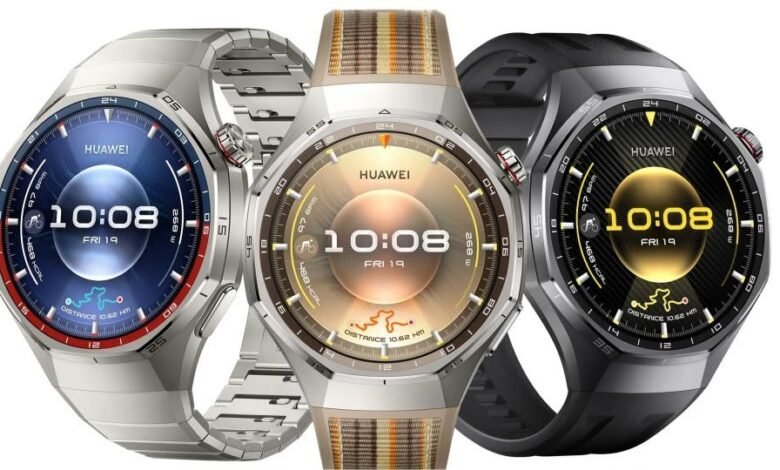
Running coaches often focus on cadence before they talk about pace because rhythm influences almost every part of your movement. Cadence determines how long each stride is, how much impact each footstrike generates, and how efficiently you maintain momentum. Many everyday runners ask what is a good running cadence, but the answer depends less on hitting one perfect number and more on building a stable rhythm that supports your body. Speed can fluctuate from day to day based on weather, energy, and terrain. Cadence, however, stays closely tied to technique. It is the foundation coaches use to help runners improve form without forcing unnatural changes. Wearable tech makes this process easier. Smartwatches like the HUAWEI WATCH GT 6 Pro track cadence continuously, showing how your step rate shifts in real time. This helps you experiment, learn your natural rhythm, and adjust gradually as coaches recommend.
Why Cadence Matters More Than Raw Speed?
Cadence Directly Influences Stride Length and Impact
Coaches emphasize cadence because it shapes how your foot meets the ground. A low cadence usually means a longer stride, which often makes runners land in front of their center of mass. This creates a braking effect with each step. It increases impact forces, slows momentum, and stresses joints. By teaching runners to increase their cadence slightly, coaches shift the stride to a more efficient, compact pattern. With this change, every step becomes lighter and quicker. Smartwatch data helps you observe this relationship. When using a device like the HUAWEI WATCH GT 6 Pro, you see your cadence next to speed and heart rate, helping you understand how minor rhythm changes reduce strain without altering pace dramatically.
Cadence Supports Efficiency Even When Speed Changes
Speed changes naturally based on fitness, terrain, and even daily energy levels. Cadence, however, offers a more reliable benchmark for technique. Coaches prefer cadence because it gives runners something stable to target, even when they’re running slower or faster than usual. If you maintain a consistent cadence on different hills or on a windy day, your form stays smoother and more controlled. Smartwatch tracking plays a major role here. As you run with the HUAWEI WATCH GT 6 Pro, the AMOLED display shows cadence clearly even under sunlight, allowing you to stay aware of your rhythm in real time. As speed shifts, you can protect your form by keeping cadence within your natural range.
Cadence Helps Prevent Overstriding and Reduces Injury Risk
Overstriding is one of the most common issues coaches see in everyday runners. It often leads to shin discomfort, knee strain, and inefficient movement. By emphasizing cadence over speed, coaches guide runners toward shorter, quicker steps. This reduces ground contact time and impact. When runners adjust cadence gradually, their form improves without forcing major mechanical changes. Smartwatches make this transition smoother. The HUAWEI WATCH GT 6 Pro continuously tracks step rate, giving you immediate feedback when cadence drops during fatigue or rises on downhills. This awareness helps reinforce safer patterns automatically.
How Runners Can Use Cadence Coaching in Their Daily Training?
Start With Your Current Cadence Before Making Adjustments
Coaches rarely start by telling runners to adopt a target cadence immediately. Instead, they ask them to run naturally and record their typical step rate. This establishes a baseline. Many everyday runners fall between 155 and 170 steps per minute, with variations depending on height and experience. Smartwatches simplify this first step. When wearing the HUAWEI WATCH GT 6 Pro, you can track cadence on your usual route without adjusting anything. This gives you an accurate view of your natural rhythm and helps you understand how it changes with terrain or fatigue. With this baseline, you follow coaching guidance more effectively.
Increase Cadence Slowly to Avoid Tension or Forced Strides
Once you know your natural cadence, coaches recommend increasing by only 3–5 steps per minute at a time. The goal is smooth, gradual improvement—not sudden leaps. A small increase can reduce overstriding significantly. Coaches often use cues such as “quicker feet” or “light steps” rather than rigid numeric targets. With smartwatch feedback, this becomes easier. As you check cadence on the HUAWEI WATCH GT 6 Pro, you adjust your rhythm naturally throughout the run. The bright display makes it easy to glance at your stats outdoors, ensuring that the adjustment stays gentle and sustainable.
Use Real-Time Data to Stay Consistent When Fatigue Appears
Fatigue is the most common factor that causes cadence to drop. When the body tires, strides lengthen unconsciously, and runners begin to land heavier. Coaches emphasize cadence because it provides a clear signal that form is slipping. If cadence falls but speed stays similar, you’re likely working harder than necessary. Smartwatch tracking allows early correction. With the HUAWEI WATCH GT 6 Pro showing cadence and heart rate side by side, you see patterns instantly—such as rising effort with dropping step rate. By bringing cadence back to your normal range, you regain control and reduce stress on your legs.
Conclusion
Coaches emphasize cadence over speed because rhythm controls technique, comfort, and long-term progress. Speed is an outcome, not a foundation. Cadence, however, shapes stride length, landing position, and efficiency, making it one of the most important training metrics for everyday runners. By building a steady cadence, you prevent overstriding, reduce impact, and create smoother movement at any pace. Smartwatch tools make this easier by offering real-time cadence tracking and clear outdoor visibility. The HUAWEI WATCH GT 6 Pro provides these insights continuously, helping you find a safe, efficient rhythm that matches your body. When cadence becomes consistent, speed follows naturally—and safely—over time.