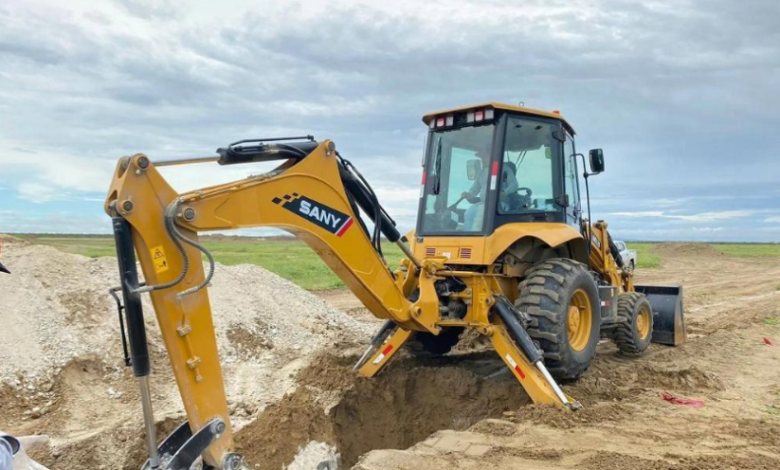
Purchasing a backhoe loader is a critical decision that impacts the productivity and efficiency of construction projects. Identifying the right model involves evaluating your project’s requirements meticulously. Factors such as the scale of operation, terrain conditions, and specific tasks dictate the choice of machinery. Understanding these components ensures the backhoe loader you choose is perfectly aligned with the job at hand. Selecting an appropriate model not only meets project needs but also optimizes resources, minimizes downtime, and enhances operational efficiency. Let’s explore the essential criteria and features you should consider when choosing a backhoe loader that aligns seamlessly with your operational goals.
Key Factors to Consider When Choosing a Backhoe Loader
Loader and Excavator Bucket Capacity
The size and capacity of the backhoe and loader buckets are fundamental considerations. Smaller buckets are ideal for precise digging and operating in confined spaces, while larger buckets are better suited for moving heavy materials and performing significant excavation tasks quickly. Capacity impacts how much earth or material can be moved swiftly, affecting overall project timelines and efficiency. Ensure you evaluate the material type and volume your projects typically deal with. Selecting a backhoe loader with the appropriate bucket capacity ensures optimal performance without stressing the machine, thus prolonging its lifespan and delivering better return on investment.
Engine Power and Fuel Efficiency
Engine power determines the strength and capacity of the backhoe loader, influencing how efficiently it can perform under demanding conditions. Fuel efficiency is equally crucial, affecting long-term operational costs and environmental impact. When selecting a model, consider both the horsepower and torque ratings based on the tasks your projects demand, ranging from transporting heavy loads to excavation. More power typically means better performance, but compare it against fuel consumption metrics to ensure economical and sustainable operations over time. A balanced approach ensures you harness enough power for agility and performance without incurring excessive fuel costs.
Operational Features and Attachments
The functionality of a backhoe loader can be significantly expanded with suitable attachments and operational features. Look for models that offer a variety of attachments like augers, hammers, and trenchers. These tools enhance the backhoe loader’s utility, catering to various project needs. Features such as advanced hydraulics, joystick controls, and safety mechanisms ensure efficiency and operator safety. Consider ergonomics as well, since they impact user comfort over long hours of operation. Selecting models with advanced operational features adapts your backhoe loader to various tasks seamlessly, enhancing versatility and productivity on-site.
Comparing Backhoe Loader Models
Size and Mobility
Size and mobility directly affect a backhoe loader’s usability on different sites. Compact models offer superior maneuverability in restricted areas, ideal for urban landscapes or working indoors. Larger models, however, boast superior lifting capacity and reach, excelling in open spaces or on large-scale sites. Evaluate the terrain and spatial constraints you usually encounter. Ensuring the chosen model fits your typical work environment allows for efficient navigation, full utilization of its capabilities, and reduced potential for operational disruptions due to space limitations.
Performance and Versatility
Performance is a measure of how well a backhoe loader meets the varied demands of construction sites. Versatile models offer multiple functions beyond just digging or loading, saving time and increasing operational flexibility. Compare models by analyzing their lifting capabilities, digging depth, and adaptability to multiple attachments. A versatile machine serves multiple roles on-site, maximizing utility and reducing costs associated with acquiring different equipment for diverse tasks. Carefully assess performance metrics based on real scenarios to select a robust, multi-functional model capable of handling various aspects of projects smoothly.

Matching Backhoe Loader Models to Your Project Type
Small-Scale Projects
For small-scale projects like residential repairs or landscaping, compact and efficient backhoe loaders are preferable. These machines need to navigate tight spaces and perform precise work without overpowering the small-scale tasks. Look for models with modest engine power sufficient to manage lighter loads efficiently. Fuel efficiency and lower operational noise are further advantages in smaller settings. Easier handling and flexibility ensure these backhoe loaders meet the requirements of minor construction projects while keeping the cost proportional to the job size.
See also: How Is Smart Technology Changing Excavator Operations?
Large-Scale Projects
Large-scale projects, such as industrial construction or major infrastructure development, demand powerful backhoe loaders capable of moving substantial materials quickly. Opt for machines with high horsepower and robust structural designs to handle continuous heavy-duty operations. Attachments that enhance utility, alongside advanced technological features for improved control, meet the diverse challenges posed by large sites. Models with enhanced durability and cutting-edge features also keep large projects on schedule and budget, handling complex tasks with reduced downtime.
Conclusion
Selecting the right backhoe loader model requires a thoughtful examination of your project’s needs and the machine’s capabilities. Consider factors like bucket capacities, engine power, and operational features to ensure the equipment fits your work environment. Weighing models based on size, mobility, and performance relative to project demands ensures you acquire machinery tailored to job requirements. Whether you’re engaging in small-scale projects or large industrial tasks, the ideal backhoe loader should contribute to operational efficiency, cost-effectiveness, and project success through its capacity and versatility.