You’ve just received your building survey report. It lands in your inbox as a thick PDF, perhaps 30 or 40 pages long. You open it with a mix of anticipation and dread.
Will it tell you the house is perfect? Or will it reveal problems that will send your dream home crashing down around you? The truth is, most reports sit somewhere in the middle. They’re packed with technical language, categories you’ve never heard of, and observations that range from trivial to terrifying. But here’s the thing: if you don’t understand what you’re reading, you can’t make the right decision about the biggest purchase of your life.
That’s where this guide comes in. Let’s break down what Chichester surveyors actually put in these reports and what it all means for you.
What You’re Actually Looking At
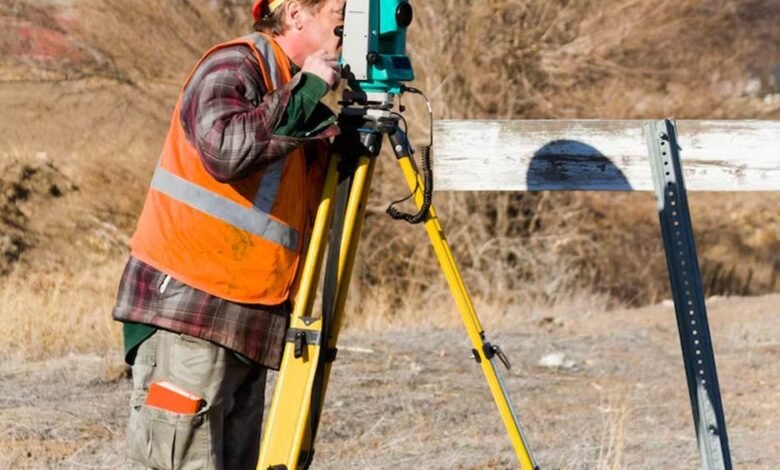
A building survey report isn’t a pass or fail certificate. It’s a detailed record of the property’s condition at a specific point in time. Surveyors inspect every accessible part of the building, from the roof space down to the drains.
They look for defects. They assess how serious those defects are. They tell you what needs fixing and roughly when.
The report follows a structure. Most surveyors use the RICS Home Survey Standard, which organises findings by building elements. You’ll see sections on roofs, walls, windows, floors, services, and so on.
Each section describes what was inspected, what condition it’s in, and whether any action is needed. Some surveyors include photographs. Others use diagrams. The format varies, but the purpose stays the same: to give you an honest picture of what you’re buying.
The Condition Rating System
Here’s where things get interesting. Surveyors don’t just describe problems. They rate them using a three-point scale.
Condition Rating 1 means no repair is currently needed. The element is performing as it should. A roof in good condition with no leaks or missing tiles would get a 1. So would a boiler that’s been recently serviced and works fine.
Condition Rating 2 means defects that need repairing or replacing, but aren’t considered urgent. Perhaps the gutters are blocked, or there’s minor dampness in a corner. These issues won’t stop you from buying the property, but they’ll need attention in the near future.
Condition Rating 3 is the one that makes buyers nervous. It signals serious defects or structural damage requiring urgent repair or further investigation. Cracked masonry that’s getting worse. A roof with significant water ingress. Failed damp-proof courses, letting moisture rise through the walls.
Most properties have a handful of 2s. Even well-maintained homes have things that need doing. But multiple 3s should make you pause and think carefully.
See also: Unlock Your Potential with a Business Success Course Online
Reading Between the Lines
Surveyors choose their words carefully. They’re trained professionals, bound by RICS standards and professional indemnity insurance. That means they can’t be reckless with their opinions.
When a surveyor says something “may require further investigation by a specialist,” they’re not being evasive. They’re telling you they’ve seen something concerning but can’t determine the full extent without invasive testing or specialist equipment.
You might read phrases like “typical of a property of this age” or “consistent with minor settlement.” These aren’t dismissals. They’re contextualising the defect. A crack in a Victorian terrace might be old and stable. The same crack in a five-year-old new build would be alarming.
Pay attention to recommendations for specialist reports. If your surveyor suggests getting a structural engineer to assess cracking, or a damp specialist to investigate moisture readings, take it seriously. These aren’t optional extras. They’re red flags wrapped in professional courtesy.
The Sections That Matter Most
Not all parts of the report carry equal weight. Some defects are cosmetic. Others affect the property’s structural integrity or your safety.
The roof section deserves close attention. Roof repairs are expensive and disruptive. If your surveyor reports missing tiles, damaged flashing, or signs of water penetration, you need to know what it’ll cost to fix. Flat roofs, in particular, have shorter lifespans than pitched roofs and often need replacing every 15 to 20 years.
Walls and structural elements are next. Look for mentions of cracking, movement, or bulging. Surveyors note whether cracks are hairline or significant, whether they’re old or active. Active cracks that are still opening up need urgent attention.
Damp and moisture problems appear frequently in older properties. Chichester’s coastal location makes this especially relevant. Salt-laden air, driving rain, and high water tables all contribute to moisture issues. Your surveyor might mention condensation, penetrating damp, or rising damp. Each has different causes and solutions.
Services matter too. Heating systems, electrics, and plumbing aren’t always thoroughly tested during a survey, but surveyors note their approximate age and visible condition. An ancient boiler or outdated electrical installation adds to your future costs.
What The Report Doesn’t Tell You
Surveyors can only inspect what they can see. If the loft is packed with boxes, they can’t examine the roof structure properly. If furniture blocks access to walls, they’ll note it as a limitation.
The report won’t give you exact repair costs. Surveyors aren’t builders. They might say a roof needs recovering or a wall needs repointing, but they won’t quote you figures. You’ll need to get estimates from contractors.
Cavity wall ties and hidden defects often go undetected in standard surveys. Unless there are visible signs of tie failure or a surveyor can access a cavity with a borescope, these issues stay hidden until later.
The survey is also a snapshot. Buildings change. A minor leak can become major water damage within months. A stable crack can suddenly spread. That’s why timing matters. Don’t delay between survey and completion.
What To Do Next
Read the report properly. Don’t just skim the summary and assume you’ve got the full picture. The detail matters.
Make a list of the Condition Rating 3 items. These are your priorities. Get quotes for the repairs. If the costs are substantial, you might want to renegotiate the purchase price or ask the seller to fix things before completion.
For Condition Rating 2 issues, plan ahead. You don’t need to do everything immediately, but budget for it. Create a maintenance plan for the first year of ownership.
If the report recommends specialist investigations, commission them before you exchange contracts. You need to know what you’re dealing with. A £500 structural engineer’s report could save you from a £50,000 mistake.
Talk to your surveyor if something isn’t clear. They’re not going to bite your head off for asking questions. Most are happy to explain their findings in plain English over the phone.
Don’t panic if the report looks scary. Almost every property has defects. Even new builds have snagging issues. The question isn’t whether there are problems, but whether they’re manageable within your budget and expectations.
Final Thoughts
Building survey reports aren’t designed to scare you off. They’re designed to inform you. Chichester surveyors spend hours inspecting properties so you can make decisions based on facts, not guesswork.
Yes, the language is technical. Yes, some findings are worrying. But knowledge is better than ignorance. You can’t fix what you don’t know about.
Read your report carefully. Ask questions. Get specialist advice where needed. Then decide whether this property still makes sense for you.
Because the only thing worse than a bad survey report is no survey report at all.